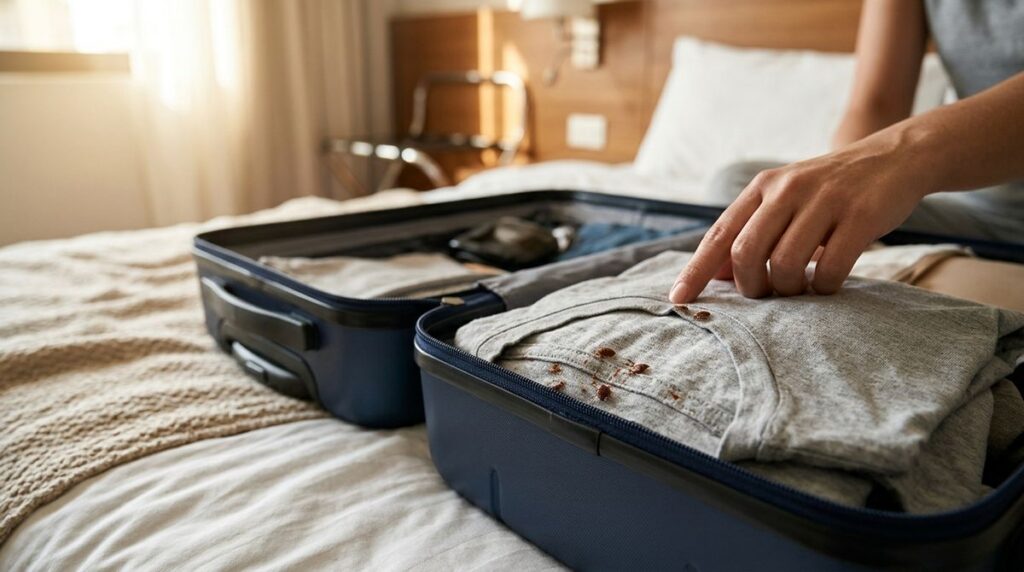
That worry while unpacking after a hotel stay or balik kampung trip is understandable: bed bugs in luggage can turn a happy homecoming into an anxious one. Our aim is to repel hitchhikers and maintain protection through barriers, inspection and containment, rather than spraying sleeping areas. Exposure is not a cleanliness failure, and a suspicious suitcase does not automatically mean an infested home.
What we’ll need before packing
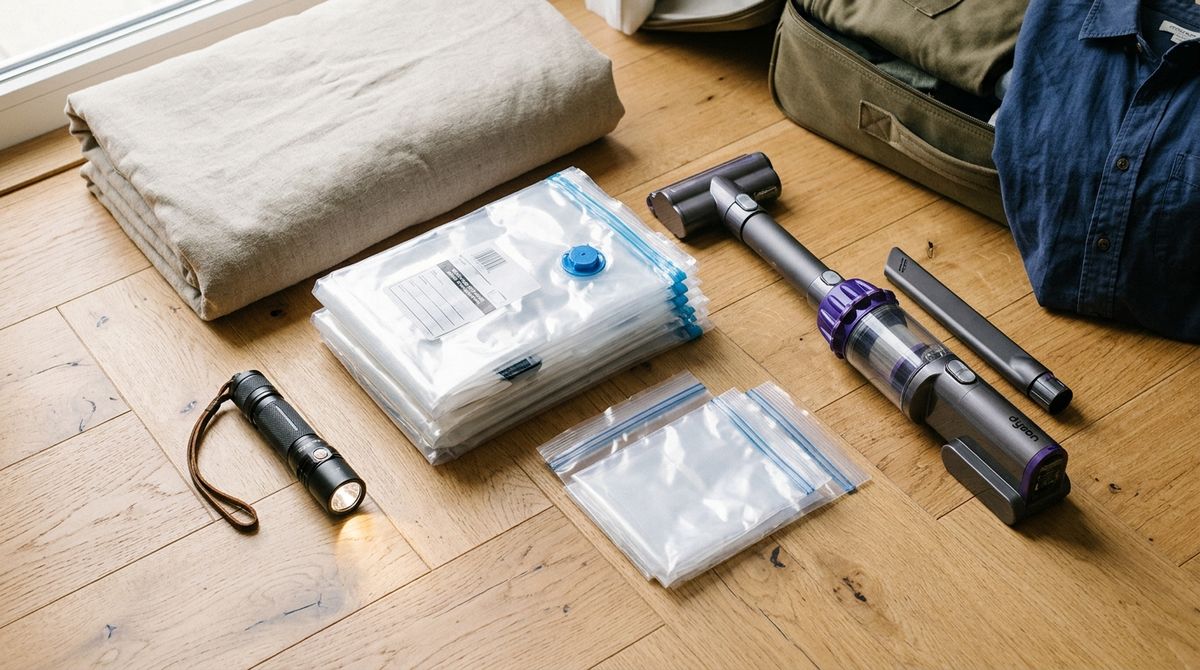
Our kit needs a torch, large sealable bags, separate clean and worn-clothing bags, a vacuum with a crevice attachment, and access to a suitable tumble dryer.
We’ll allow a few minutes for arrival checks and longer for return-home inspection, laundering and drying. Before treatment, we’ll check garment and luggage care labels. No suitcase material or repellent replaces inspection and containment.
Step 1: prepare our luggage for ongoing protection
We’ll check recent accommodation reviews for repeated, specific bed bug reports. Silence is not proof of absence.
Luggage with accessible seams and pockets makes inspection easier. We’ll pack sealable clothing bags and a bag large enough for the suitcase. Bed bugs travel with belongings on overseas holidays and local journeys alike; tropical species are relevant in Malaysia. Understanding how belongings carry hitchhikers keeps prevention focused on exposure, not housekeeping.
Check: Our bags close securely, and any proposed repellent use matches its Malaysian label.
Fix: We’ll skip spraying if the label does not permit the intended surface or use.
Step 2: inspect the room before opening our suitcase
Check the bed, nearby furniture and luggage rack
Our closed suitcase stays on an inspected hard surface away from beds and upholstery. With a torch, we’ll examine mattress seams and corners, accessible frame joints, the headboard area, bedside furniture and rack straps.
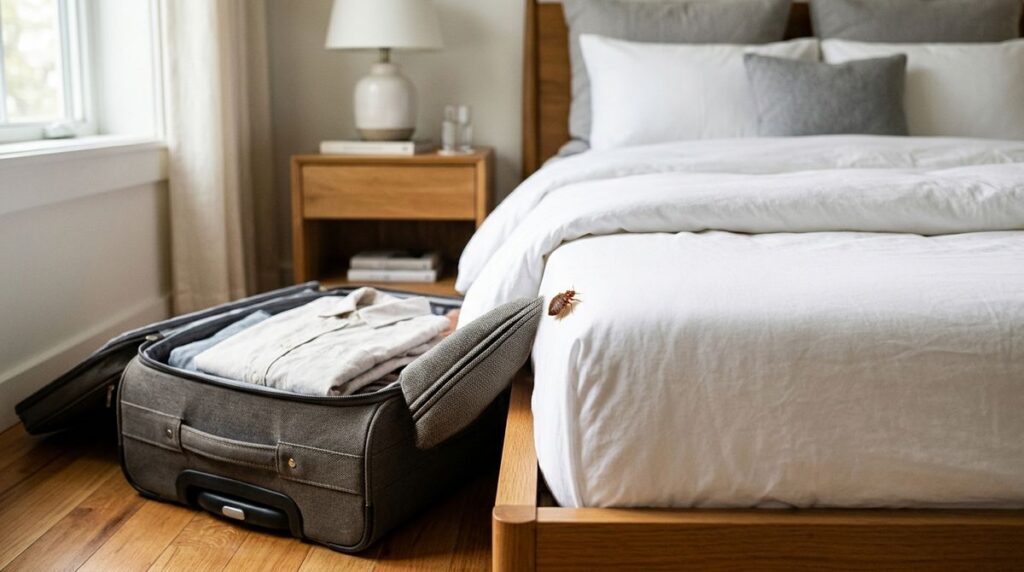
Adults are flat, reddish-brown and around 5-6 mm long; nymphs are smaller and pale. We’ll look for roughly 1 mm white eggs, shed skins, dark faecal spots and blood smears. AHLA’s guidance similarly prioritises mattress and room checks before unpacking (AHLA).
Our closer room-inspection guide adds detail. We won’t dismantle fixtures or probe electrical outlets.
Keep bags separated throughout the stay
We’ll use an inspected rack away from the wall, never the bed, floor or under-bed space. Bags stay zipped; worn clothing stays separately sealed.
Check: No suspicious evidence appears, though a quick inspection cannot guarantee absence.
Fix: If evidence appears, we’ll stop unpacking and follow Step 3.
Step 3: contain belongings when exposure seems possible
Separate uncertain exposure from visible evidence
For a concerning report without visible signs, we’ll keep belongings sealed and plan closer return-home checks. For an identifiable insect or convincing evidence, we’ll take photographs and retain a specimen in a sealed container if practical.
An infestation can develop within weeks under suitable conditions, but exposure alone does not establish one.
Seal before changing rooms or travelling home
We’ll notify management promptly and request alternative accommodation or a room that is not adjacent, directly above or directly below the affected room.
Before moving, we’ll seal clothing and luggage, keeping suspect belongings separate from checked items during transport. Nothing loose goes onto another bed. For hosts and landlords, our response is to pause use of the affected room and arrange inspection, not relocate suspect furnishings.
Check: Every suspect item is contained before movement.
Fix: We’ll rebag torn or loosely closed packaging without opening it in a clean area.
Step 4: isolate and inspect our suitcase on returning home
Unpack away from sleeping areas
We’ll use a contained utility area, sheltered service yard or clear hard-floor space away from beds and sofas.
If our suitcase has already entered a bedroom, we’ll stop unpacking, bag it before moving, then inspect its route and resting place. Bringing a bag indoors is not proof that an infestation has started.
Work around every hiding place
Our inspection starts outside: seams, zip teeth and folds, handles, wheel housings and feet. Then we’ll examine pockets, straps, lining seams and accessible interior folds without damaging the case.
We’ll use the evidence described in Step 2, not smell. Our guide to recognising suspicious traces helps distinguish findings worth recording.
Check: Every compartment and exterior attachment has been examined.
Fix: Inaccessible or suspicious areas stay contained for professional assessment, rather than being declared clear.
Step 5: treat the contents and suitcase separately
Dry suitable clothing and prevent recontamination
We’ll empty sealed clothing bags directly into the machine without shaking items. For dryer-safe clothing, the commonly recommended treatment is at least 30 minutes on high heat, within fabric tolerances and without overloading. Wet loads need enough additional time to dry fully.
A short wash cycle is not equivalent: washing alone generally does not eliminate bed bugs (EPA). Processed clothing goes straight into fresh sealed bags, never the untreated suitcase.
Handle shoes, electronics and delicate items cautiously
We’ll inspect and contain these separately, seeking item-specific advice from a licensed pest professional or informed specialist cleaner. We won’t immerse electronics, spray toiletries or assume sunlight, a hot car or casual freezing provides reliable treatment.
Vacuum the case and assess further treatment
We’ll vacuum accessible seams and crevices, then seal and dispose of collected material outside promptly. Vacuuming can miss eggs and hidden insects; isolation contains rather than quickly eliminates them. Material-compatible steam or controlled heat needs appropriate guidance.
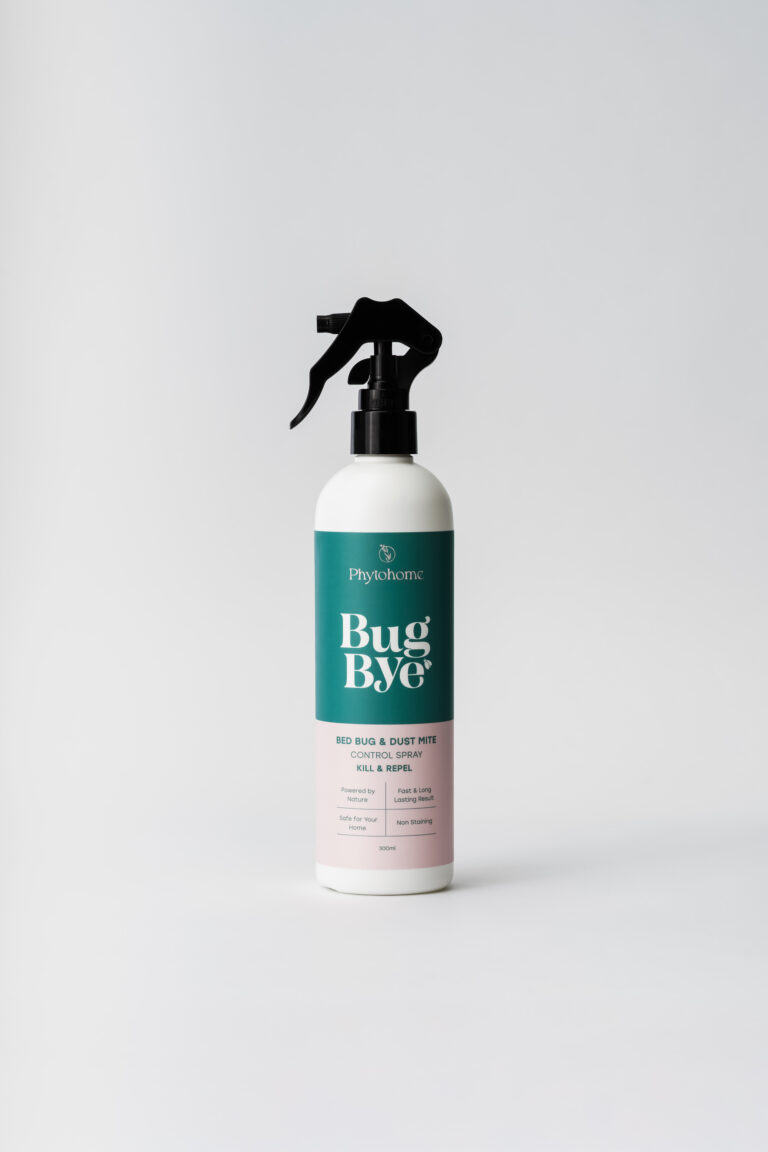
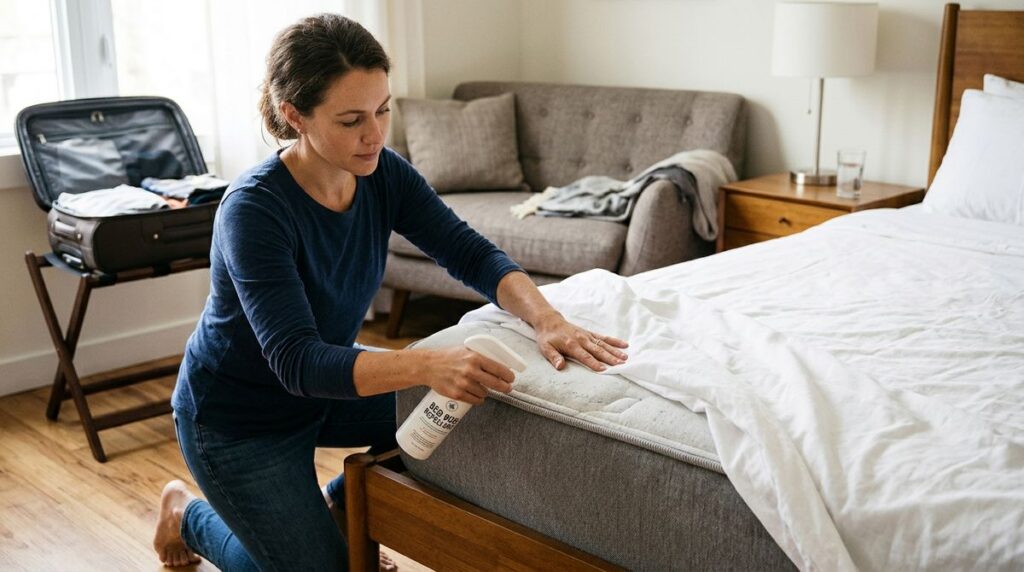
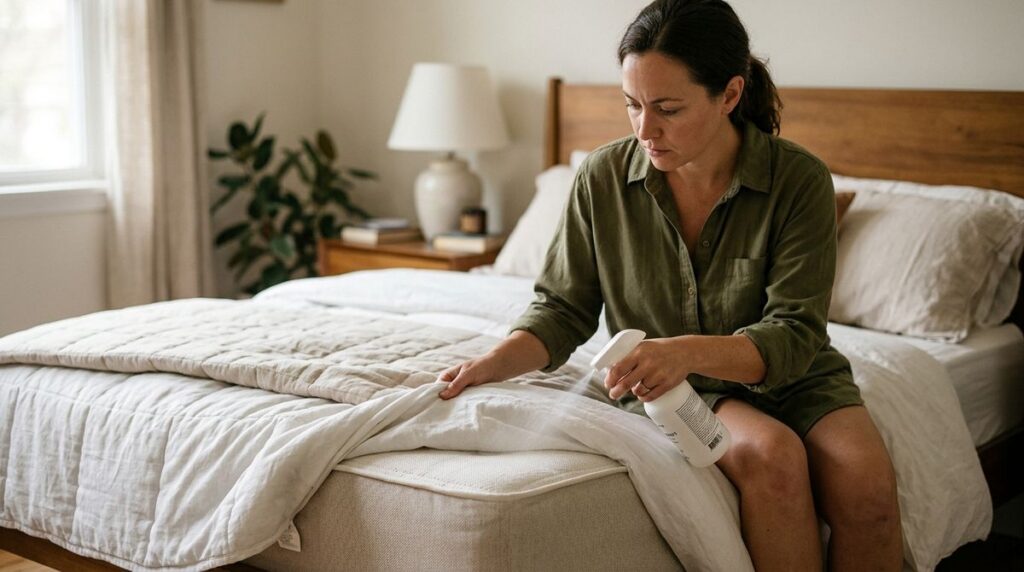
Contact sprays cannot reach every hiding place. Our surface-by-surface application guidance supports label-led decisions, including clothing-contact restrictions. For any permitted application, we’ll mist lightly, ventilate and let treated items air out for a few hours before packing a suitcase or sleeping on a bed.
Check: Clean items remain separate from untreated belongings.
Fix: If that boundary breaks, we’ll reprocess compatible items.
Step 6: monitor our home and escalate persistent signs
Our checked luggage stays sealed away from bedrooms, never under the bed. Over the following weeks, we’ll inspect mattress seams, frames and nearby furniture, and consider correctly placed bed-leg interceptors.
We’ll record dates, locations and photographs. No bites, or one clear inspection, does not establish that a home is clear: some people show no bite reaction, and insects can remain hidden.
Confirmed insects, repeated spotting or evidence beyond luggage call for a licensed professional inspection. Heavy infestations need professional treatment. NPMA guidance emphasises the difficulty of successful DIY control (NPMA). For homestays and rentals, we’ll document inspections and responses rather than rely on reassurance.
Check: Monitoring produces identifiable evidence or a continuing record without new signs.
Fix: We’ll escalate recurring findings instead of repeatedly spraying mattresses or moving belongings between rooms.
There’s no need to treat every trip as a disaster. Our small starting action is to place a large sealable bag beside the empty suitcase before the next journey.
Frequently asked questions
Can bed bugs travel on planes, buses and trains?
Yes. Bed bugs can hitchhike in luggage, clothing and other belongings across shared transport settings. Flightless insects do not need to fly to travel long distances. Bed bugs usually hide in belongings or nearby crevices rather than live on our bodies, and risk is not identical on every journey.
Is hard-shell luggage bed bug-proof?
No. A hard shell may offer fewer fabric folds and an easier-to-clean surface, but zips, seams, handles and wheel housings still provide hiding places. Our inspection and containment routine remains necessary regardless of suitcase material.
How long should suspected luggage stay sealed?
Bed bugs can survive for months without feeding, with survival varying by conditions. A short quarantine is not reliable treatment. We’ll keep suspected luggage contained until an appropriate treatment and inspection plan is completed, rather than choose an arbitrary unsealing date.
Does finding bed bugs mean the suitcase must be thrown away?
Not automatically. Treatment suitability depends on construction, accessible hiding places and the evidence found. For confirmed contamination, we’ll consult a licensed professional before deciding whether recovery is practical. Suspect luggage must never be donated or left where it could be reused.