It’s exhausting to face another itchy morning and another anxious check of a child’s mattress. For us, the bed bug bites vs mosquito bites question starts with protecting sleeping spaces and preventing further exposure, not reaching straight for a spray. We favour identifying the likely source first, so ongoing protection addresses the actual problem without unnecessary spraying around the family bed.
Bed bug bites vs mosquito bites: the quickest distinction
Our verdict is straightforward: marks alone rarely settle the question. Identified insects and surrounding evidence carry more weight than a neat line of bumps.
Repeated marks alongside insects, shed skins or spotting near sleeping areas warrant a bed bug investigation, especially after travel or furniture arrivals. Observed mosquitoes, open windows and relevant indoor or outdoor exposure point towards mosquitoes.
When neither source is confirmed, we recommend inspection and monitoring rather than choosing a treatment from a photograph.
| Comparison point | Bed bug bites | Mosquito bites |
|---|---|---|
| Appearance | Variable itchy bumps; sometimes little visible response | Variable raised, itchy bumps |
| Arrangement | May cluster or form lines | Often scattered, but can cluster |
| Timing | May become noticeable after a delay | May appear soon after exposure or later |
| Location | Often skin exposed during sleep | Often exposed skin, indoors or outdoors |
| Strongest clue | Identified insects or infestation evidence | Mosquito activity and exposure history |
What do the bites look like, and where do they appear?
Lines, clusters and scattered bumps are clues, not proof
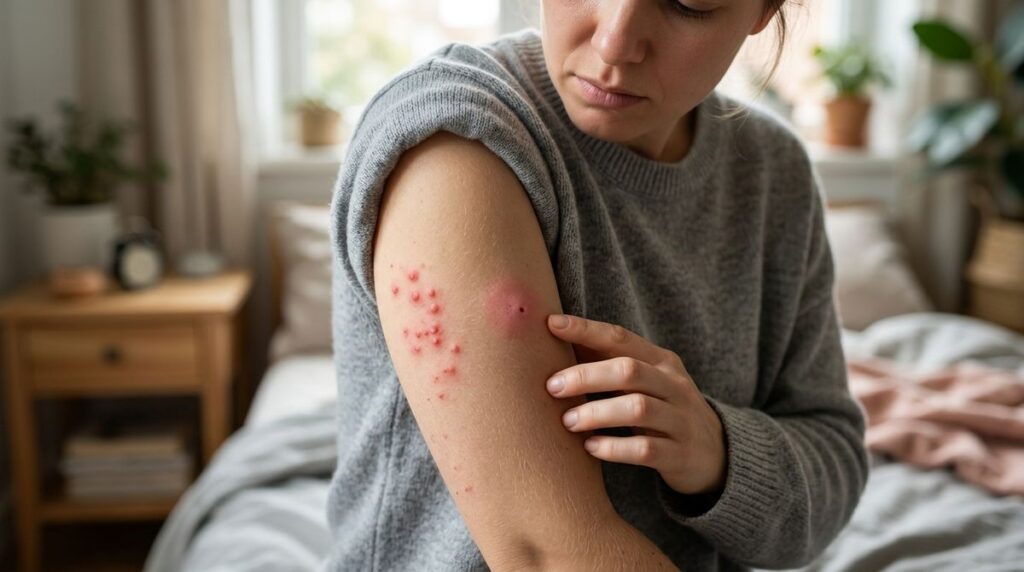
What bites look like varies with individual skin responses. Both insects can leave raised bumps or welts, sometimes with an apparent central mark. Clustering can happen with either.
The familiar “three bites in a row” pattern is not a reliable identification rule. Symptoms of bed bug bites may also be mild or barely visible.
On darker skin, raised areas or changes in colour may be more noticeable than redness. We would not treat a mismatch with an online photograph as evidence against either insect.
Exposed skin does not distinguish the insects reliably
The face, neck, arms and legs are common exposed areas for both insects. Loose clothing is not an absolute boundary, either.
The difference between bed bug bites and mosquito bites cannot reliably be established from body location. We give appearance much less weight than exposure history and insect evidence.
When do marks appear, and how long do bites last?
A mark noticed after sleep may come from an earlier exposure
Waking with a bump does not establish that biting happened overnight. Skin reactions can be delayed, making an earlier exposure look like a bedroom problem.
Mosquitoes can also bite indoors, and daytime exposure matters in Malaysia. We avoid assuming that mosquitoes bite only after dark or that every bed bug feeds nightly.
Duration cannot identify the insect
How long do bed bug bites last? There is no dependable timetable that identifies the culprit. Reactions vary, while scratching and repeated exposure can make marks linger or overlap.
The same limitation applies to how long mosquito bites last. Rather than judging how long bug bites last in isolation, we favour recording when fresh marks appear and what exposure preceded them.
How to check the bed and weigh the evidence
Inspect mattress seams, the frame and nearby furniture
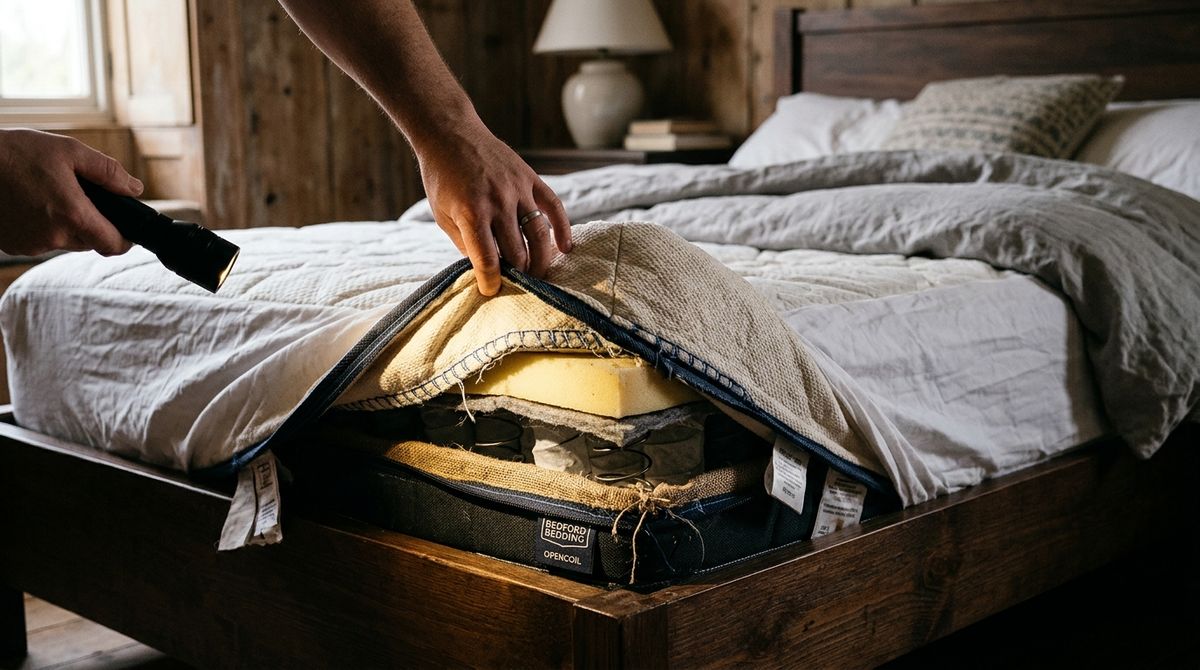
We recommend starting with a torch. Examine mattress piping, seams, labels and the underside, then the divan base, frame joints, headboard and nearby cracks. Continue to bedside furniture and upholstered seating.
Look for live insects, pale shed skins, eggs and dark spotting. Our guide to recognising physical clues around the bed explains what deserves closer attention.
Blood marks and isolated stains are not proof. Photograph suspected evidence before cleaning or moving anything.
Save a specimen and record the exposure history
If possible, contain a suspected insect in a sealed container for identification by a qualified pest professional.
Record recent hotel stays, balik kampung trips, luggage placement and second-hand furniture arrivals. Dated photographs of skin marks can help document changes, but cannot diagnose the source. Avoid moving suspect bedding or furniture into another room.
If nothing is found, monitor rather than assume
Check window screens, open doors, mosquito activity and standing-water sources. Continue inspecting, with suitable bed bug monitors where appropriate.
One negative inspection does not rule out a small infestation. Our preference is qualified identification when uncertainty persists, rather than repeated spraying based on skin marks.
Could these be other bites or a rash?
Fleas, dust mites and non-bite causes need different consideration
Fleas and other insects remain possibilities, but bite location alone cannot identify the culprit. Dust mites do not bite.
Persistent marks may need clinical assessment rather than another pest treatment. Hives, contact dermatitis and scabies are examples a clinician may consider, not a checklist for diagnosing a rash at home. Scabies involves mites and needs a different medical approach.
Keep immediate care simple and check medicine suitability
We recommend gently washing affected skin, using a cool compress and avoiding scratching.
Medicine suitability deserves a pharmacist’s or doctor’s advice, particularly for infants, children, pregnancy, older adults or anyone taking other medicines. Household pest products must never be used as skin treatments.
Separate local itching from symptoms needing medical attention
A bite’s appearance cannot establish dengue or another infection. In Malaysia, fever after possible mosquito exposure warrants prompt medical assessment. Severe abdominal pain, persistent vomiting or unusual bleeding need urgent attention.
Breathing difficulty also requires emergency care. Spreading redness, pus or worsening pain needs medical assessment.
Mosquitoes can transmit dengue and other infections; bed bugs have no established role in transmitting human disease. Neither point makes a photograph a diagnostic tool.
Which protection approach fits the evidence, and what does it cost?
Bed bug protection starts with containment and monitoring
Our preferred approach combines laundering and suitable drying according to fabric instructions, vacuuming, mattress encasements, reduced clutter and monitoring. Repellents alone do not resolve an established infestation.
For hotel stays and balik kampung visits, inspect sleeping areas and luggage storage before settling in. Keep bags away from beds, then inspect luggage before unpacking. Small changes to how luggage is handled after travel can support prevention without spraying every belonging.
For Airbnb hosts and landlords, documented evidence and prompt inspection are more useful than repeated spraying between bookings. Keep suspect items contained. Heavy infestations warrant a licensed professional.
Mosquito protection starts with entry points and breeding sites
Intact screens, suitable bed nets and regular standing-water checks provide ongoing protection. We prioritise these measures because an open entry point or overlooked water container can undermine occasional repellent use.
Use repellents only for the purpose and surfaces permitted on the label. A product intended for room surfaces is not automatically suitable for skin, mattresses or luggage.
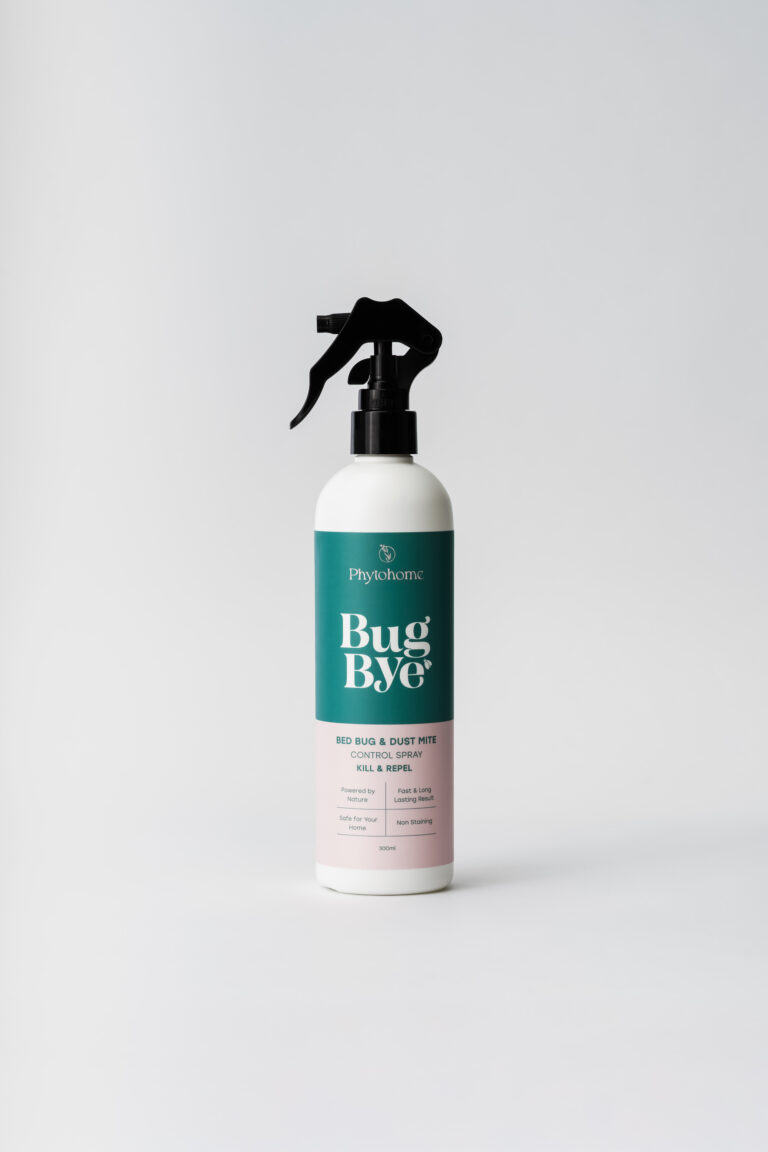
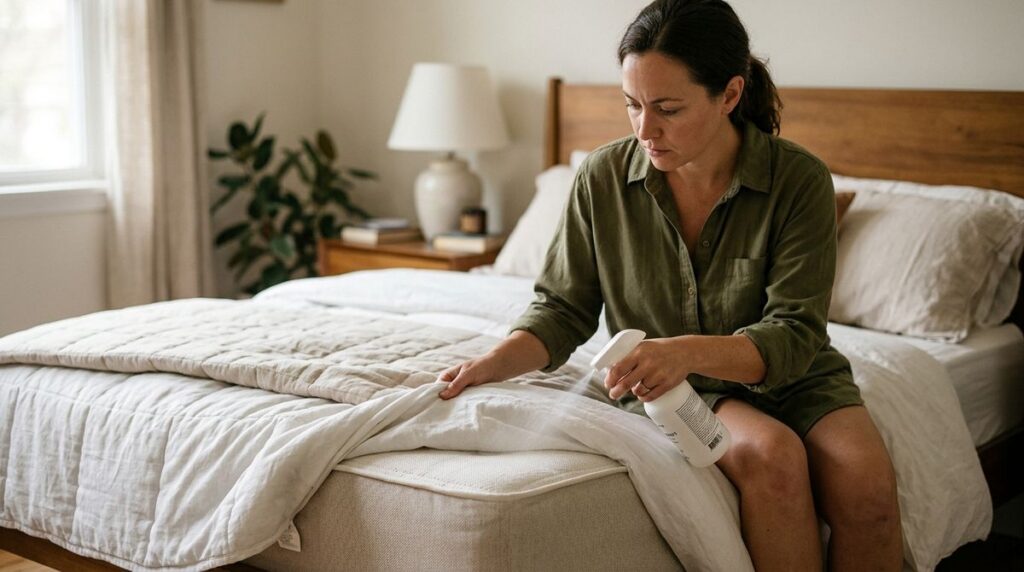
For any permitted surface spray, mist lightly, ventilate, and let treated items air out for a few hours before sleeping on a bed or packing a suitcase. Follow any longer label restrictions. Without a verified product label, we would not recommend a particular spray for those surfaces.
Compare practical strengths, limitations and RM costs
We cannot responsibly assign Malaysian prices without attributable quotations. For the RM costs below, a quote is required.
The useful comparison is scope: inspection, equipment, treatment areas, follow-up visits and ongoing replacement costs. A lower initial quote may exclude monitoring or repeat attendance. For accommodation operators, the handling of adjacent rooms and suspect furnishings also deserves clarification.
| Protection factor | Bed bug approach | Mosquito approach |
|---|---|---|
| Pro | Inspection supports targeted action | Screens and source reduction address repeated exposure |
| Pro | Encasements and luggage routines support prevention | Suitable nets provide a physical barrier |
| Con | Hidden harbourages complicate confirmation | Entry and breeding points need ongoing attention |
| Con | Heavy infestations need professional involvement | Indoor mosquitoes may remain despite outdoor precautions |
| RM costs | Quote required for monitors, encasements and inspection | Quote required for screens, nets and suitable repellents |
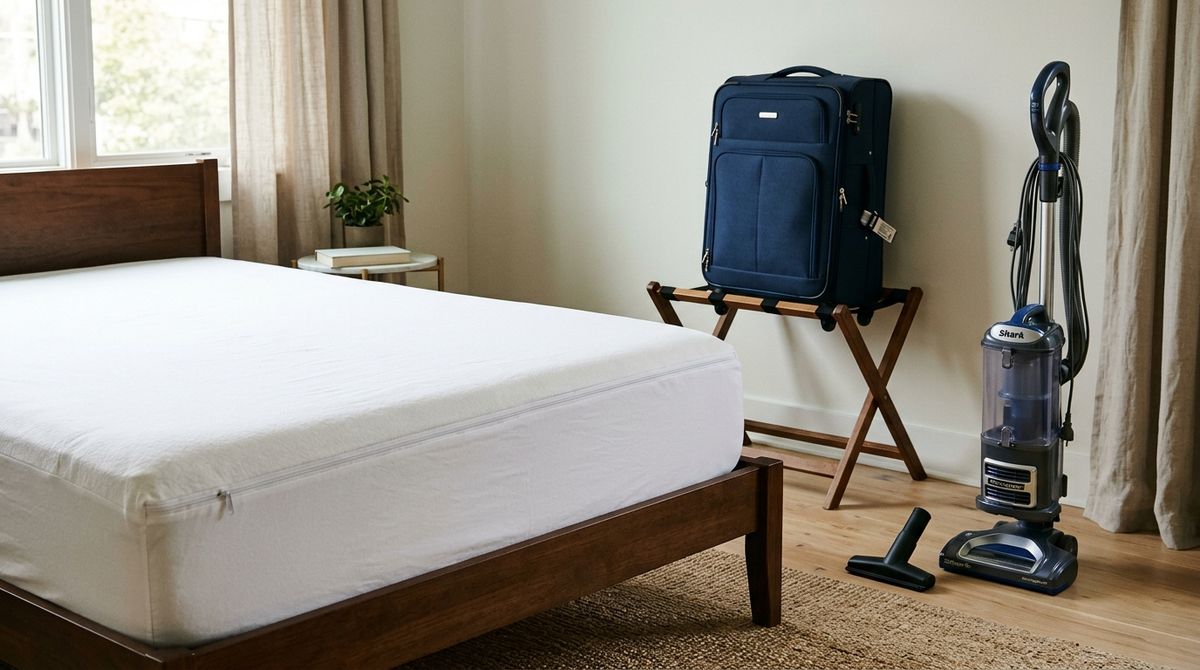
Our verdict: inspect first, then protect against the confirmed source
We put physical evidence and exposure history ahead of bite patterns. Bed bug evidence calls for containment and targeted management; mosquito activity calls for entry-point protection and breeding-site checks. Persistent uncertainty deserves professional identification, not stronger guesswork.
An unexplained mark does not mean the whole home needs treating. A manageable starting point is enough: inspect a single mattress seam with a torch tonight.
Frequently asked questions
Why does only one person in our household have visible marks?
Visible reactions differ between household members, and marks may appear at different times. Some responses are mild or absent. We would not rule out bed bugs simply because only one person has noticeable bumps, nor assume bed bugs solely because one person keeps waking itchy.
Can bed bugs bite through clothes?
Bed bugs generally reach exposed skin or get beneath loose clothing rather than bite through fabric. Sleeves and pyjamas are not reliable diagnostic boundaries. We cannot confirm or exclude either insect from the relationship between marks and clothing alone.
Can bed bugs be present without any visible insects?
Yes. Small infestations can remain hidden in narrow gaps, making an initial inspection inconclusive. Repeated monitoring and qualified identification are more dependable than assumptions based on marks. We favour gathering evidence before committing to treatment or replacing belongings.
Do bed bugs mean a home is dirty?
No. Cleanliness does not determine whether bed bugs arrive. Travel and belongings can introduce the insects, while clutter mainly makes detection and management harder. Understanding how pests travel between places helps keep attention on prevention rather than blame.
Should a mattress be thrown away after suspected bed bug bites?
We advise against discarding a mattress on bite evidence alone. Identification comes first, followed by an assessment of suitable management. Unnecessary movement can spread suspect items and add replacement costs without addressing the source. For now, keep the mattress in place and inspect that first seam.