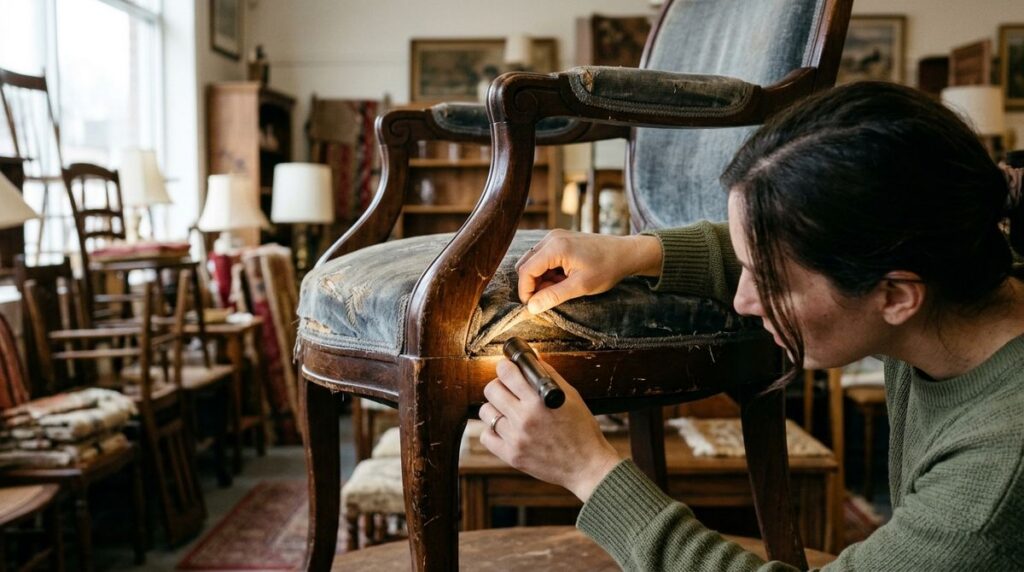
A second-hand bargain can feel much less exciting once doubts creep in, especially when a sofa or bed is heading into a family home. Keeping bed bugs out of second-hand furniture purchases starts with repelling unwanted hitchhikers through careful sourcing, inspection, containment and ongoing checks, not promises that a quick spray solves everything. We can reduce the risk before collection, recognise evidence worth stopping for, and avoid spreading a problem if a suspicious insect appears.
What we’ll need before checking second-hand furniture
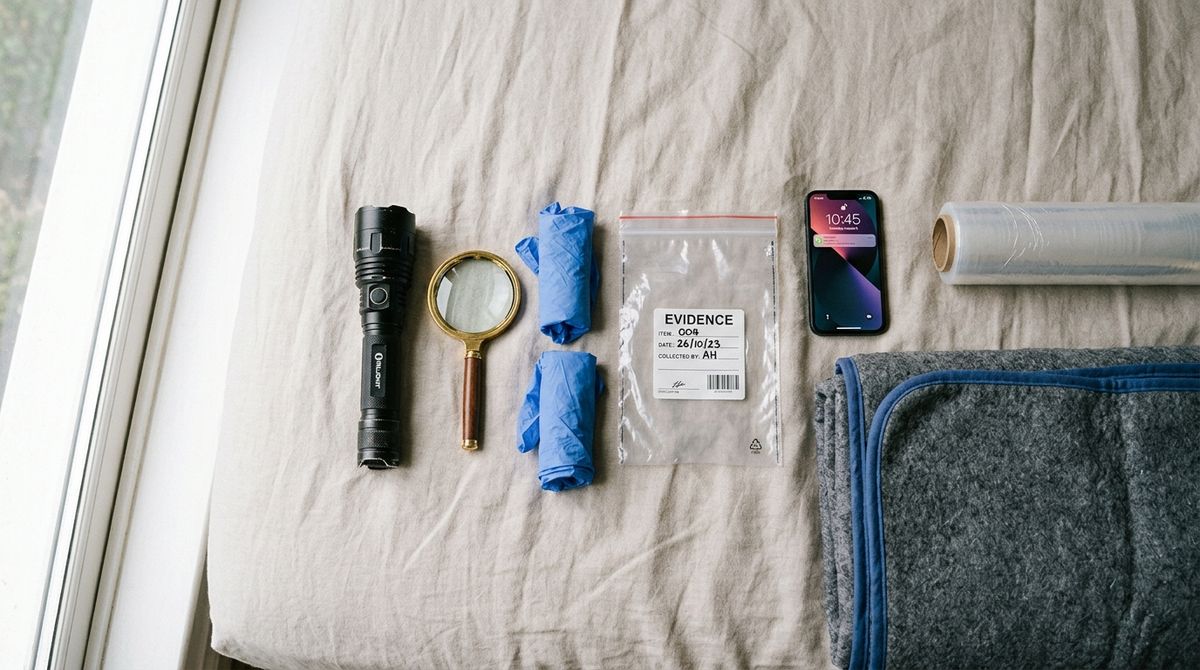
We recommend preparing a small inspection kit before arranging collection:
- Bright torch
- Magnifying glass
- Disposable gloves
- Clear sealable container or bag
- Phone camera
- Light-coloured sheet
- Wrapping suitable for the item
Allow roughly 20-30 minutes for an accessible item. That is a planning allowance, not a promise of a complete inspection, especially for upholstered furniture.
Arrange good lighting and permission to remove cushions, drawers and detachable components. Another adult should help with lifting or turning heavy furniture. We would not dismantle electrical recliners or force sealed components.
The starting rule is simple: inspect before payment, loading or delivery wherever possible. Even a careful visual check cannot certify furniture as bed-bug-free. The inspection routes below organise accessible checks, rather than provide a clearance test.
Step 1: choose furniture that can be inspected properly
Ask about the item’s history before arranging collection
We start with the history: previous bed bug problems, storage conditions, recent pest treatments and the reason for sale. Written answers help establish what remains uncertain before a collection trip.
“Cleaned”, “barely used” and “from a tidy home” do not establish absence. Bed bugs travel with possessions, not housekeeping standards. Understanding how hitchhikers move between homes helps keep the conversation practical rather than embarrassing.
The NPMA includes avoiding used furniture among its prevention recommendations. When buying second-hand, we should treat access and evidence as more useful than reassurance.
Prefer accessible construction over hidden cavities
Simple, accessible furniture is easier to examine than deep upholstery, fixed linings or hollow frames. Mattresses, sofas and divan bases contain numerous concealed spaces.
Solid wood is not automatically safe. Joints, screw holes and gaps behind panels can still shelter insects.
We recommend declining abandoned beds and mattresses, and items that cannot be meaningfully inspected. A low price does not compensate for inaccessible construction.
Check: Important seams, undersides and joints are reachable before purchase.
Fix: If access is refused or substantial cavities remain concealed, choose another item or arrange professional assessment.
Step 2: learn the signs that justify stopping the purchase
Look for insects, eggs, shed skins and dark spotting
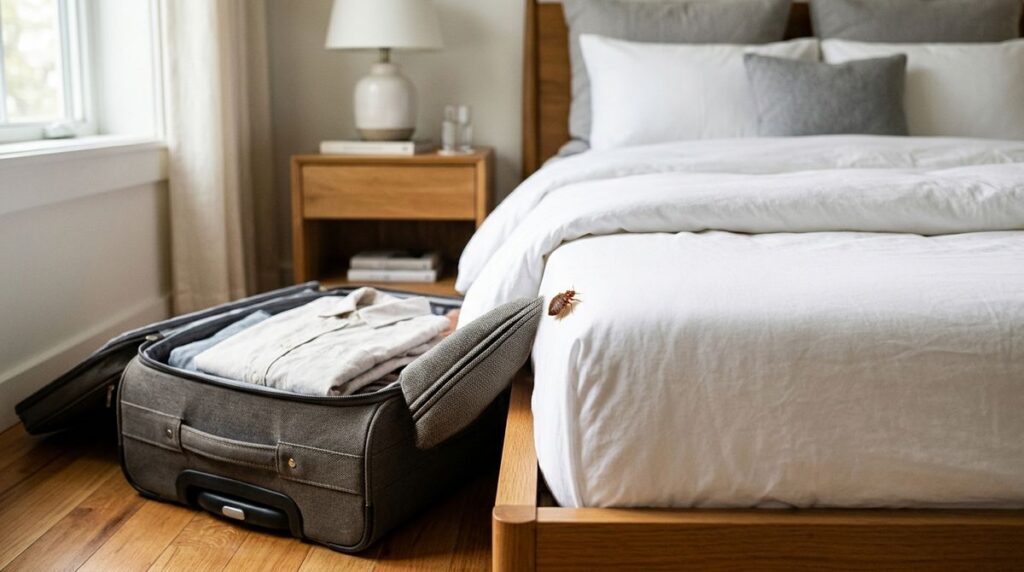
Bed bugs, including Cimex lectularius and C. hemipterus, are flat, wingless, blood-feeding insects. Adults are roughly 5-7 mm long, about apple-seed size, and generally reddish-brown. Immature bugs can be much smaller and paler.
We look for live insects, tiny pale eggs, tan-coloured shed skins and clusters of dark faecal spots. Eggs can be particularly difficult to distinguish against light fabric.
According to University of Kentucky guidance, tight hiding places around beds and upholstered furniture deserve close attention. A clear tabletop or cushion face says little about the spaces underneath.
Treat marks, bites and smell as inconclusive
An isolated black mark could be dirt, mould or another stain. We would not use stain-smearing tricks as proof, and smell is not a dependable clearance test.
Bites alone cannot confirm bed bugs. Equally, the absence of reported bites does not clear an item. Dust mites are microscopic, unlike visible adult bed bugs, so the names are not interchangeable.
Our guide to recognising physical warning signs explains why several consistent clues matter more than one unexplained mark.
Check: Concern rests on physical evidence rather than cleanliness, bites or reassurance alone.
Fix: Photograph uncertain evidence and preserve an insect for identification instead of guessing.
Step 3: inspect every hiding place before moving the item
Check a sofa from the cushions to the underside
Keep the second-hand sofa stationary and well lit. With permission, remove loose cushions onto a light-coloured sheet so small material is easier to notice and contain.
Follow each cushion’s piping, seams and zip folds. Examine undersides, then the gaps beside the arms and back. Slowly changing the torch angle can make recessed seams easier to see.
Next, examine accessible frame joints, fabric attachment points, legs and the underside. Use existing access openings without tearing fabric or removing fixed linings. Keep fingers clear of reclining mechanisms.
Bed bugs in upholstered furniture can remain beyond view inside padding or frame cavities. A fixed lining concealing substantial space limits confidence, even when the visible fabric looks spotless.
Check: Accessible cushion edges, frame contact points and underside areas have been examined.
Fix: Stop if evidence appears. Seek professional assessment or decline the sofa if important cavities cannot be checked.
Inspect a mattress and divan base separately
Examine both faces of a second-hand mattress, not just the sleeping surface. Follow edge piping, seams, handles, labels and folds, supporting the mattress safely during repositioning.
Inspect the divan or box-spring base independently. Pay attention to underside fabric edges, staples and accessible internal framing. Permission to inspect the mattress does not automatically include permission to open the base.
Check bedding and protectors too. A freshly fitted cover can conceal the surface beneath, so we cannot treat the cover itself as reassurance.
Do not cut into a mattress. If access requires damage, the inspection has reached its limit.
Check: The mattress and supporting base have been examined independently.
Fix: Reject a suspect mattress rather than relying on surface cleaning or a replacement cover.
Examine bed-frame joints and the back of the headboard
For bed bugs in bed frames, the useful inspection happens at connections. Examine slat ends, brackets, screw recesses, corner joints and headboard attachment points.
Check the back and underside of the headboard, especially upholstered sections. Standing components on edge may improve access, but only with permission and adequate support.
Inspect hollow sections and removable fittings where safe access exists. Metal, paint and varnish do not remove the hiding spaces created by joints.
Check: Attention has reached connections and recesses, not just broad surfaces.
Fix: Arrange authorised dismantling or decline the item when important spaces remain inaccessible.
Remove wooden drawers and inspect the cabinet shell
Remove drawers with permission, following any release mechanism rather than forcing runners. Examine drawer corners, undersides, joints and runners.
Then inspect the empty cabinet shell: back-panel edges, screw holes, feet and underside. Bedside tables and cabinets previously positioned beside beds or sofas deserve particular attention.
Bed bugs in wooden furniture hide in gaps, not only in visibly damaged timber. Avoid scraping finishes or probing aggressively, which can damage the item or scatter evidence.
Check: Both the removable drawers and cabinet body have been examined.
Fix: Do not accept a quick glance inside an open drawer as a complete inspection.
Step 4: preserve suspicious evidence and pause the move
Collect a specimen without spreading the problem
Stop loading, cleaning and dismantling when suspicious evidence appears. Continuing can disturb insects and make the original location harder to document.
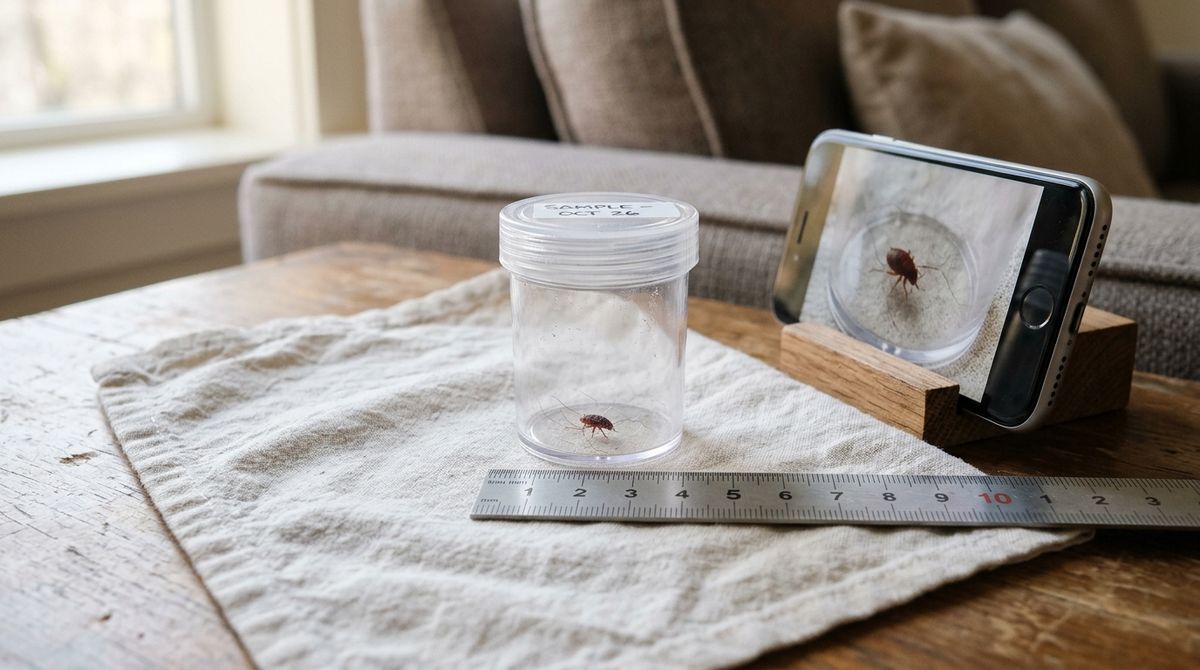
If practical, contain an insect in a clear, securely sealed container without crushing it. Photograph the insect and its location, including a size reference where possible. Label the container with the date and item details.
For marks without an insect, take close-up and wider photographs. Avoid cutting upholstery or carrying loose material home.
Arrange identification before making a decision
Seek identification from a licensed pest management professional. A clear specimen may help, but an unclear photograph or isolated stain might not support a reliable answer.
Keep the purchase paused while identification is pending. A collection deadline is not evidence that the item is clear.
Check: Evidence is contained and its original location documented.
Fix: If collection is impractical, leave the item in place and arrange inspection rather than assuming absence.
Step 5: decide whether to reject, professionally treat or dispose
Reject items with unresolved risk before purchase
We recommend declining confirmed or strongly suspect items before bringing them home. Professional treatment is an option to evaluate, not an obligation to rescue a bargain.
Consider value, repairability, treatment access and transport containment. Any comparison of purchase and treatment costs should use actual local quotations in RM, supported by written professional advice.
Consider professional treatment only with a workable plan
Feasibility depends on materials, construction, infestation extent and access. A licensed professional should assess suspected infestation, and heavy infestations need professional management.
Request a plan covering preparation, the whole item, follow-up and movement precautions. Treating one visible seam is not a whole-item strategy.
Wrap and label any item approved for disposal
Coordinate with building management and the relevant local council or authorised waste service. Wrap or contain the furniture before movement through corridors and lifts, then clearly label the infestation risk to discourage reuse.
Research summarised by Ohio State links unwrapped discarded furniture with further spread. Leaving an unwrapped sofa beside roadside bins passes the risk onwards.
Check: The chosen route avoids transferring the problem to another household.
Fix: Delay movement until containment and collection arrangements are ready.
Step 6: contain the purchase during transport and temporary isolation
Wrap before loading and keep loads separate
For an accepted item with no identified evidence, wrap before loading. Minimise extra stops and unnecessary handling, and keep it separate from luggage, bedding and other soft belongings.
Brief movers before collection. After unloading, inspect the wrapping for tears, especially around corners and legs. Wrapping reduces escape opportunities; it does not treat an infestation.
Use isolation as containment, not clearance
Where feasible, use an uncluttered temporary holding area away from sleeping and resting spaces. Shared corridors, communal storage and neighbouring units are not suitable overflow areas.
Bed bugs can survive months without feeding. Survival varies with conditions, so there is no universal quarantine period after which furniture becomes bed-bug-free. Cooler-climate survival timelines should not be applied directly to Malaysian homes.
Isolation needs a planned inspection or next action, rather than an arbitrary collection date on a calendar. For bulky furniture, choosing a suitable holding space before purchase avoids a difficult decision at the front door.
Check: Containment is intact and the next action is arranged.
Fix: Repair tears promptly. If bugs appear, stop further movement and contact a licensed professional.
Step 7: match cleaning and treatment to the furniture material
Use cleaning to support inspection and containment
Removable washable covers offer more cleaning access than fixed upholstery. Follow textile care labels for laundering and drying, without assuming washed covers clear the sofa or mattress beneath.
Vacuuming can remove accessible debris and some insects, but cannot reliably reach every egg or crevice. Seal collected contents before appropriate disposal. Handle bagless canister contents carefully rather than emptying loose debris indoors.
Rigid furniture may be easier to wipe and inspect, but cleaning exposed surfaces still leaves concealed joints unresolved.
Reserve heat and steam for suitable materials and controlled application
Heat effectiveness depends on sufficient exposure reaching hiding places, not simply warming the surface. Upholstery, mattresses, timber, veneers and adhesives respond differently.
Steam can introduce moisture into padding. Heat can damage finishes or loosen adhesives, while electrical furniture adds further hazards. We recommend trained assessment for whole-item heat or steam treatment.
Malaysian sunshine, a hot balcony and a parked vehicle are not validated whole-item treatments. An uncomfortably hot surface does not establish conditions inside a padded frame.
Avoid foggers and improvised spray treatments
Avoid bug bombs, household-cleaner mixtures and off-label insecticide use. Research on insecticide resistance supports an integrated approach rather than repeated improvised spraying.
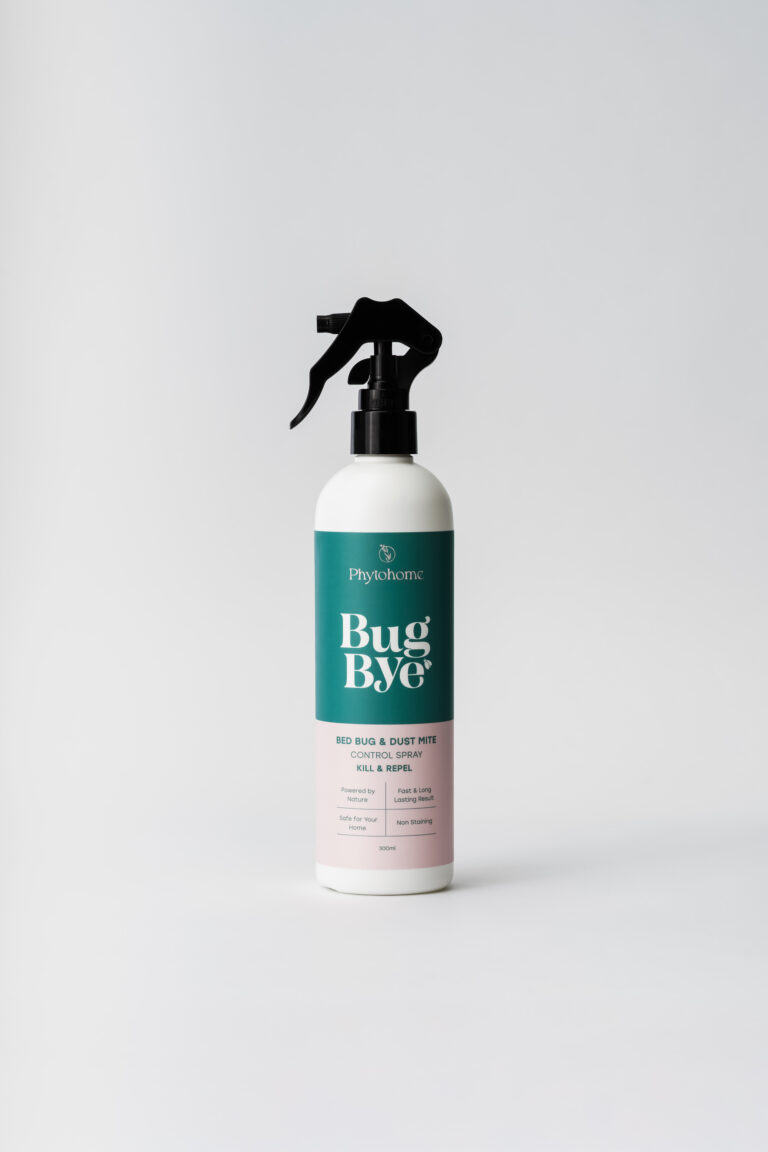
Any optional repellent needs Malaysian authorisation where applicable and label permission for the exact surface and use. Repellents cannot certify furniture as clear or replace professional treatment. Our explanation of what plant-based sprays can realistically do separates product claims from inspection needs.
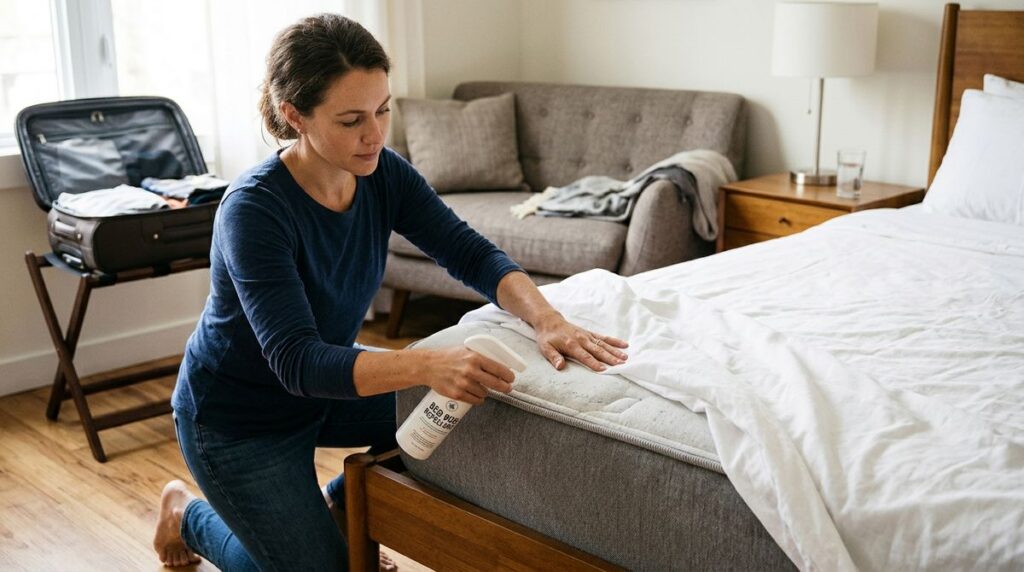
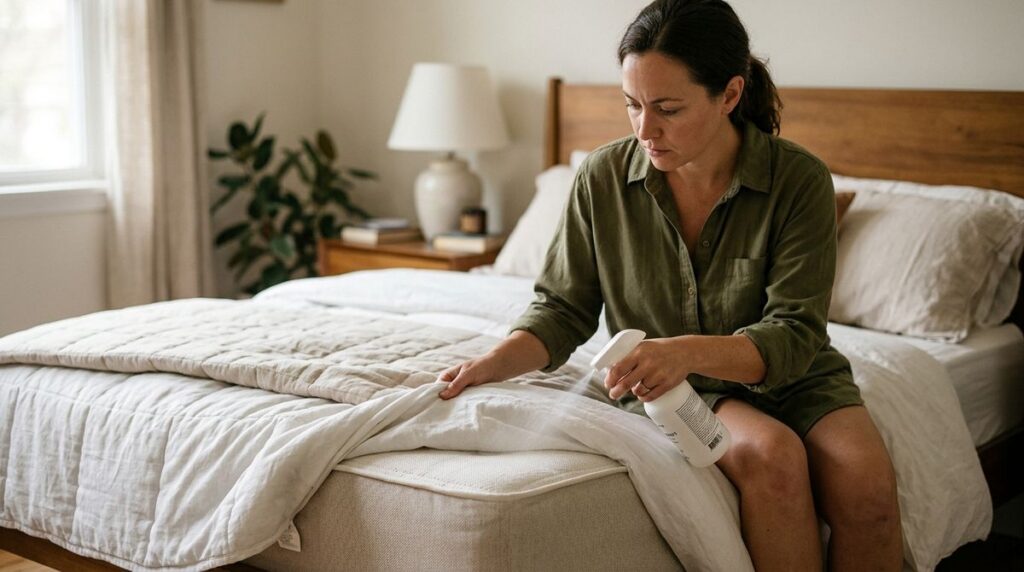
For any permitted spray application, mist lightly, ventilate and let treated items air out for a few hours before sleeping on a bed or packing a suitcase. Follow longer label restrictions where specified. Drying alone does not establish suitability, and a product not labelled for bedding must not be applied there.
Check: The method suits the material and addresses more than visible surfaces.
Fix: Stop unsuitable DIY treatment and obtain professional advice.
Step 8: limit spread at home and keep checking
Keep a suspect item in place while arranging inspection
Finding evidence after delivery is frustrating. Moving the furniture into another bedroom, however, creates another opportunity for spread.
Keep the item in place while arranging assessment. Avoid carrying loose cushions, bedding or belongings elsewhere, or relocating sleeping arrangements without professional advice. Arrange inspection of the furniture and nearby resting areas.
For flats, rentals and homestays, involve the relevant owner or management discreetly and promptly. Accommodation operators should pause use of the affected sleeping area pending assessment.
Build checks into normal furniture and travel routines
Repeat visual checks of seams, joints and nearby bed areas. Dated photographs or short inspection notes make fresh changes easier to recognise.
Suitable bed-leg interceptors can support monitoring, but an empty interceptor does not prove absence. Furniture design and placement affect suitability.
After holidays or balik kampung trips, keep luggage away from beds and inspect before unpacking. We can apply the same containment mindset to keeping hitchhikers out of suitcases. For homestays, document accessible seam and frame-joint checks during turnovers.
Check: Fresh evidence prompts action, despite an earlier clear inspection.
Fix: Contact a licensed professional if signs recur or increase, especially with heavy infestations.
Frequently asked questions
Can clean-looking second-hand furniture still contain bed bugs?
Yes. Clean surfaces and freshly washed covers cannot reveal everything inside seams, joints or concealed cavities. We use inspection to reduce uncertainty, not certify absence. Furniture history and access matter more than a tidy appearance, and an earlier clear inspection does not overrule fresh physical evidence.
Can bed bugs live in wooden furniture?
Yes. Drawer runners, screw holes, joints and gaps behind panels can provide hiding places. Wood is not a protective barrier. We inspect both removable parts and the cabinet shell, paying particular attention to furniture previously kept near sleeping or resting areas.
Does leaving furniture outside in the malaysian sun remove the risk?
No reliable clearance follows from sunshine alone. Internal temperatures and exposure vary, and protected crevices may not receive sufficient heat. We would not bring a suspect item indoors simply because its surface feels hot. Appropriate professional assessment is a better basis for deciding whether treatment is feasible.
How long must second-hand furniture stay in quarantine?
There is no universal waiting period that proves an item is clear. Bed bugs can survive months without feeding, depending on conditions. We use temporary isolation for containment while arranging inspection or treatment, not as a countdown to automatic clearance.
Can a repellent replace an inspection?
No. Repellents cannot reveal hidden insects or certify furniture as clear. Any permitted use must follow the label: mist lightly, ventilate and let treated items air out for a few hours before bed use or suitcase packing, with longer restrictions taking priority.
We do not need to settle every uncertainty at collection. One small start makes the process more manageable: add a torch to the collection-day bag.
References
University of Kentucky, Michael F. Potter: ENTFACT-636: Bed Bugs, covering identification, hiding places, inspection and disposal.
National Pest Management Association: Bed Bug Survey Results & Facts, covering prevention, transport routes and professional support.
Ohio State University Bed Bug Research References, Surveys: includes Jones (2021) findings on unwrapped furniture disposal and unsafe responses.
Koganemaru and Miller (2013), Pesticide Biochemistry and Physiology: review covering insecticide resistance and integrated bed bug management.